Upload your frequency tracks and a calm visual once. SubSub streams them nonstop from our cloud in up to 4K — no OBS, no VPS, no PC left running.
When the free credit runs out, the stream simply stops. Nothing is charged unless you top up.

A home stream dies with every Windows update, power cut or Wi-Fi drop. SubSub plays your playlist from our servers, so your computer can sleep.
Renting a VPS, running OBS without a GPU, restarting a crashed encoder — that is a second job. Here you upload files and press start.
A pure tone sounds like it belongs to no one, yet frequency tracks from other channels and meditation apps still get claimed in Content ID, and YouTube removes videos that promise to heal. Below we explain what is safe to stream, how to title it and how frequency channels actually earn.
Drop your audio and video into the SubSub media library, put them in order and turn on loop. Files live in our cloud, not on your computer.
Create a stream in YouTube Studio and paste its stream key into SubSub. The stream stays on your channel; SubSub only sends the video.
SubSub streams from our servers around the clock. Close the laptop — the stream keeps playing.
What long-running frequency channels have in common — and how to get there with SubSub.
Upload at least 2–3 hours, with each track built around one frequency — 432 Hz, 528 Hz or another solfeggio tone — and name it clearly. A soft pad or ambient bed around the tone is easier to listen to for hours than a bare sine wave. SubSub loops the playlist automatically.
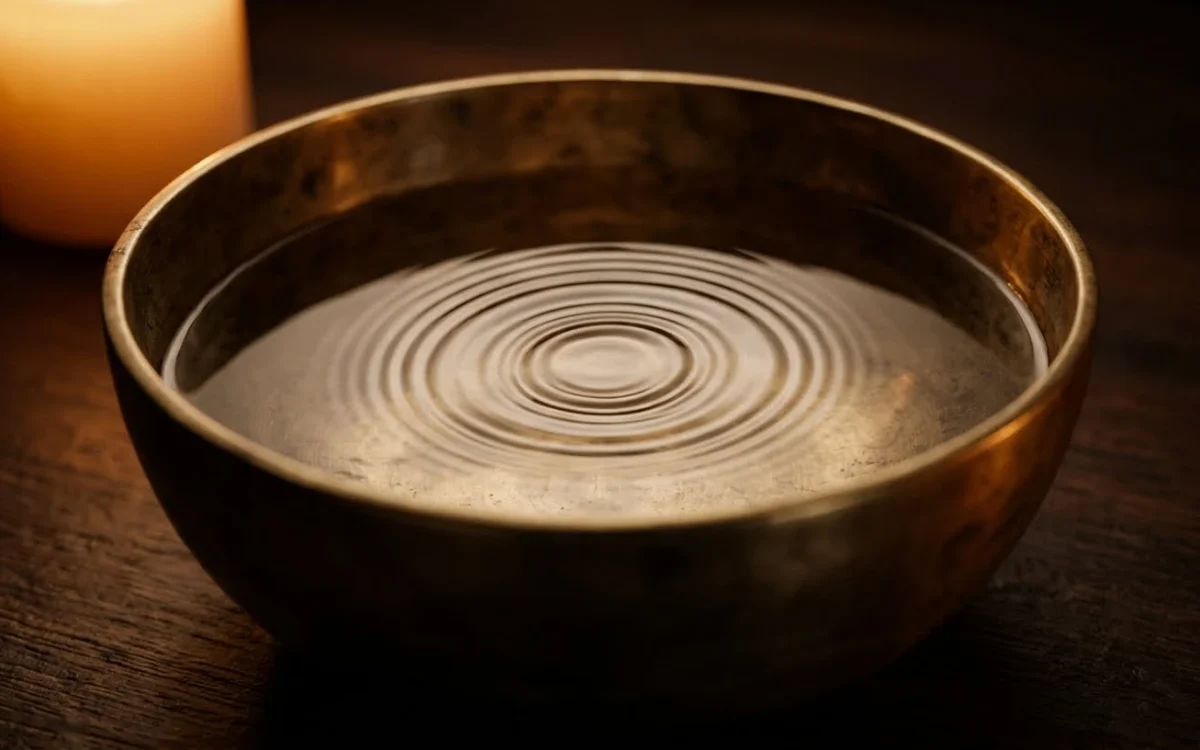
Slow light waves, a calm mandala or a near-black screen with the frequency written on it works best — many listeners meditate with their eyes closed or turn the phone face down. Keep motion slow and the picture dark: bright, busy frames light up a bedroom and are hard to compress.
A steady tone gets tiring at high volume, so keep the level low and constant, with soft fades and no clipping or volume jumps. Check it on headphones and phone speakers. Export at 192 kbps or higher; 1080p video is plenty for the picture.
Generate the tones in any audio editor or DAW, or play them yourself — what you make is yours. Do not rip tracks from other frequency channels or meditation apps. Describe the sound, not a cure: titles like "heals DNA" or "cures anxiety" break YouTube's medical misinformation rules.
Your $0.50 sign-up credit covers about 57 hours on air. Upload a couple of tracks, press start and watch your radio go live. No card, no software, nothing to install.
YouTube checks every stream with Content ID. A pure tone feels generic, but frequency tracks published by other channels, meditation apps and sound libraries are registered there too, and a claimed track can cut your stream.
Once your channel is in the YouTube Partner Program:
You pay only for streaming time: $0.0087 per hour in base quality (720p, 30 fps). A month nonstop is 720 hours and comes to about $6.26 — no monthly plan, no slot fees. New accounts get $0.50 in free credits, enough for about 57 hours on air, no credit card required.
Criteria
Yes. YouTube sets no maximum length for live streams, and meditation music streams stay live for months. The usual rules apply: a verified channel with no live streaming restrictions in the past 90 days, only audio you have rights to, and honest titles and thumbnails. YouTube's medical misinformation policy removes content that claims a sound cures illness, so describe the music, not a treatment.
432 Hz is an alternative tuning pitch that many listeners find warmer than the standard 440 Hz. 528 Hz is one of the solfeggio frequencies, a set of tones — 174, 285, 396, 417, 528, 639, 741 and 852 Hz — popular in meditation and sleep music. People use them as a calm background; the health claims often attached to them are not backed by scientific evidence.
Yes. SubSub sends your uploaded playlist to YouTube through a regular stream key, exactly like a streaming encoder. You do not need to be online, run OBS or keep a computer on during the broadcast.
A tone you generate yourself is yours. A frequency track someone else produced and published is their recording, and many are registered in Content ID. A "no copyright" tag on a YouTube video is not a license. Make your own, or use a library whose license covers YouTube live streaming.
Yes, once your channel is in the YouTube Partner Program: ads, Super Chat, Super Stickers and memberships. YouTube can limit monetization for repetitive content, and a single tone is as repetitive as it gets, so give the channel its own look, offer several frequencies and publish regular videos alongside the stream.
At least 2–3 hours in total. SubSub loops the playlist automatically, and long, evenly rendered files keep the loop point inaudible.
No. You upload files to SubSub once, and our servers send the stream to YouTube. Your computer can be off the whole time.
You pay only for streaming time — $0.0087 per hour in base quality (720p, 30 fps). A full month nonstop is about $6.26. New accounts get $0.50 in free credits, about 57 hours on air, no credit card required.
YouTube can take up to 24 hours to enable live streaming the first time. Turn it on in YouTube Studio a day before you plan to launch.
Yes. Each stream runs on its own and is billed by its own streaming hours, so you can run different radios on different channels.
No. SubSub does not scan your files. YouTube checks every live stream with Content ID on its side: if it finds a track you do not own, YouTube can mute or stop the stream and strike your channel. Use only music you own or license.
Streams up to 12 hours are archived on your channel. Longer streams may not be saved at all, and live streams that are not saved as a video do not count toward Partner Program watch hours. Keep your source files — they stay in your SubSub library.
Your free credit covers about 57 hours on air. No credit card, no OBS, no computer left running.
Launch a free test stream432 / 528 Hz 24/7 · English432 / 528 Hz 24/7 · Українська432 / 528 Hz 24/7 · Español432 / 528 Hz 24/7 · 简体中文432 / 528 Hz 24/7 · हिन्दी432 / 528 Hz 24/7 · العربية432 / 528 Hz 24/7 · Português432 / 528 Hz 24/7 · বাংলা432 / 528 Hz 24/7 · 日本語432 / 528 Hz 24/7 · Deutsch432 / 528 Hz 24/7 · Français432 / 528 Hz 24/7 · Bahasa Indonesia432 / 528 Hz 24/7 · Türkçe432 / 528 Hz 24/7 · 한국어432 / 528 Hz 24/7 · Tiếng Việt432 / 528 Hz 24/7 · Italiano432 / 528 Hz 24/7 · Polski432 / 528 Hz 24/7 · Nederlands432 / 528 Hz 24/7 · ไทย432 / 528 Hz 24/7 · فارسی432 / 528 Hz 24/7 · Română432 / 528 Hz 24/7 · Bahasa Melayu432 / 528 Hz 24/7 · Kiswahili432 / 528 Hz 24/7 · தமிழ்432 / 528 Hz 24/7 · తెలుగు432 / 528 Hz 24/7 · मराठी432 / 528 Hz 24/7 · اردو432 / 528 Hz 24/7 · Filipino432 / 528 Hz 24/7 · Ελληνικά432 / 528 Hz 24/7 · Čeština432 / 528 Hz 24/7 · Magyar432 / 528 Hz 24/7 · Svenska432 / 528 Hz 24/7 · עברית432 / 528 Hz 24/7 · Dansk432 / 528 Hz 24/7 · Suomi432 / 528 Hz 24/7 · Norsk432 / 528 Hz 24/7 · Slovenčina432 / 528 Hz 24/7 · Български432 / 528 Hz 24/7 · Hrvatski432 / 528 Hz 24/7 · Srpski432 / 528 Hz 24/7 · Lietuvių432 / 528 Hz 24/7 · Latviešu432 / 528 Hz 24/7 · Eesti432 / 528 Hz 24/7 · Slovenščina432 / 528 Hz 24/7 · ქართული432 / 528 Hz 24/7 · Azərbaycan432 / 528 Hz 24/7 · Қазақша432 / 528 Hz 24/7 · Oʻzbek432 / 528 Hz 24/7 · 繁體中文432 / 528 Hz 24/7 · ਪੰਜਾਬੀ432 / 528 Hz 24/7 · ગુજરાતી