YouTube creators usually earn from views, sponsorships, and selling their own products. None of that is going away. But at APOS 2026, there was a lot of talk about another growth lever for a channel - the ability of content to travel beyond a single language.
Guy Piekarz, CEO of Panjaya, built his talk around exactly this. His point is simple: the world already has plenty of good stories - the problem is that only people who speak the original language can understand them.
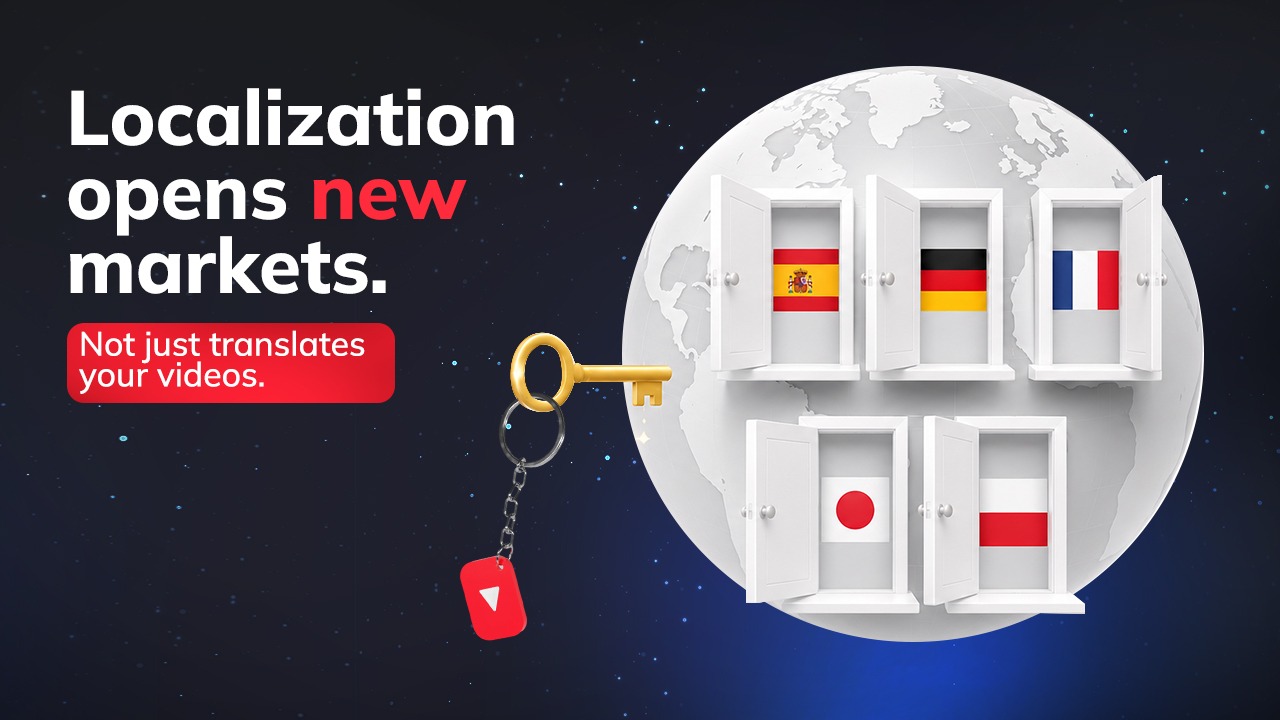
So he suggests looking at localization differently: not as a separate production stage, but as a way to open finished content to a wider audience.
95% of content still never leaves one language
To show the scale of the problem, Piekarz pointed to the Asian market - one of the largest and most diverse in the world. It holds dozens of language audiences: from Mandarin, Hindi, and Japanese to Indonesian, Vietnamese, and Korean.
Even within a single country - India or Indonesia, say - several language communities live side by side. And despite all that diversity, roughly 95% of content is still “locked” inside one language.
This holds even for microdramas - a format that’s growing fast right now.
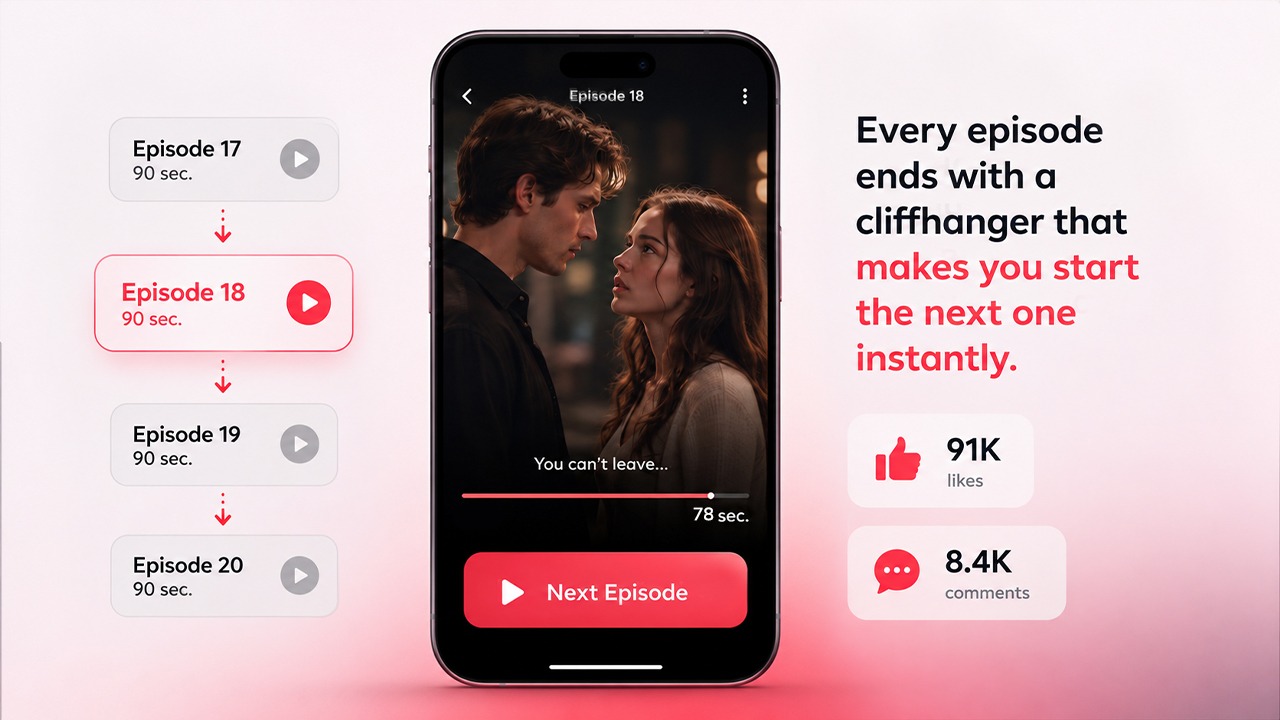
Microdramas fit the way people watch video today: on a phone, in short, few-minute episodes, in vertical format. Each episode cuts off at the most gripping moment, so the viewer starts the next one straight away - like on TikTok or Reels, but with a full plot and real characters. They’re cheaper and faster to make than traditional series: a new episode can ship in days, not months.
Another argument is competition. In the market you already work in, thousands of channels fight for the viewer’s attention. Localization moves you into markets where competition is lower - and where organic growth is often easier.
Natural delivery beats literal translation
There are several ways to localize, and each is a trade-off between quality and speed. Traditional dubbing delivers high quality but is expensive and slow. AI dubbing is much faster and scales easily, yet it often sounds flat - and where everything rides on emotion, that isn’t enough.
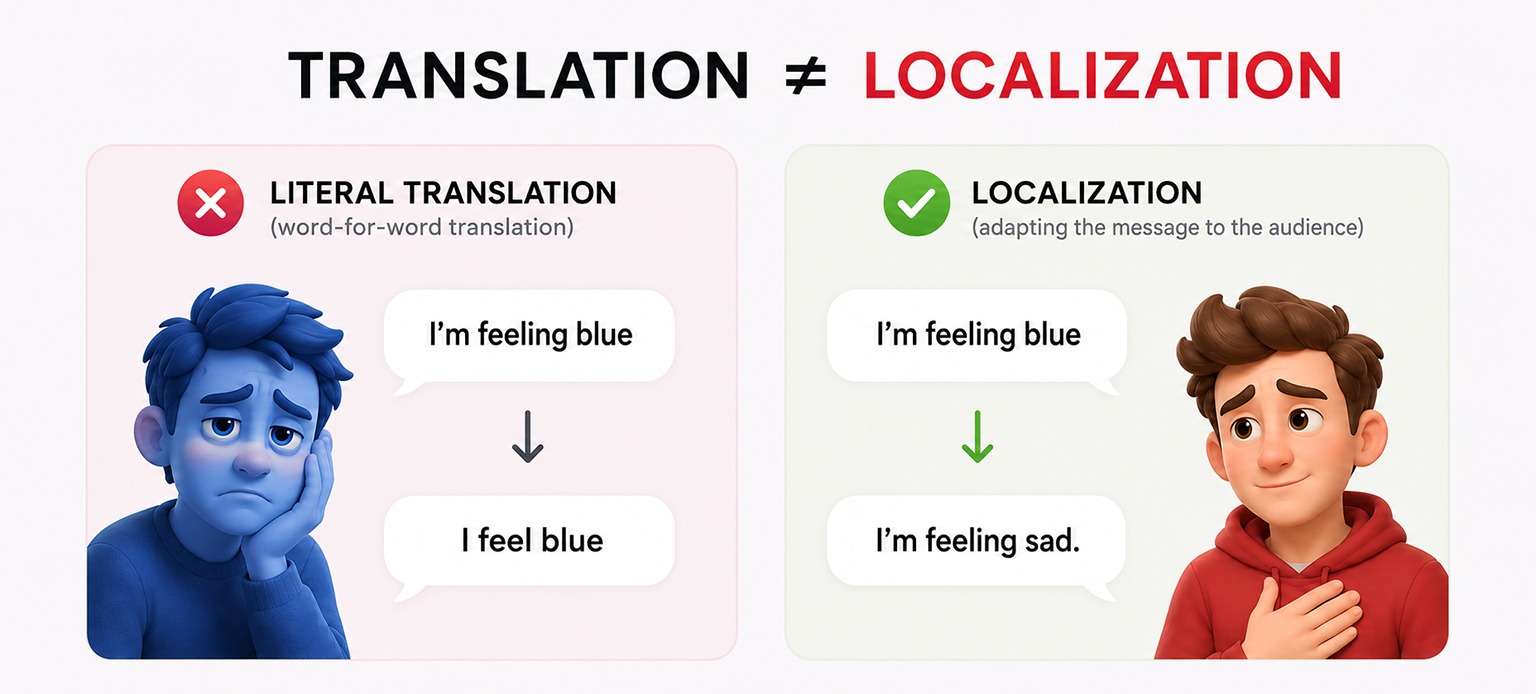
But it’s not only about the voiceover - the translation itself decides a lot. A word-for-word translation, with no adaptation to the language, easily kills the naturalness and the emotion. On top of that, languages differ in pace and structure: translate from English into German or Dutch, for instance, and the phrases grow longer. That’s why a literal version sounds unnatural or won’t fit the video’s timing.
So you need to adapt not just the meaning but the delivery - so the new audience takes in the story as easily as the original one did.
From four languages to six: how localization scales your content
One example Piekarz gave is a partnership with Shortical, a platform that makes short vertical series. In the U.S., its content pulls in more than 20 million episode views a month.
Shortical CEO Guy Shimoni came to Panjaya to take the content to a global audience without losing the emotional pull of the stories.
First, the content was localized into four languages - Spanish, Portuguese, French, and German. After a successful start, two more followed: Japanese and Russian. The logic is simple: start with a few languages, look at the results, and only then scale.
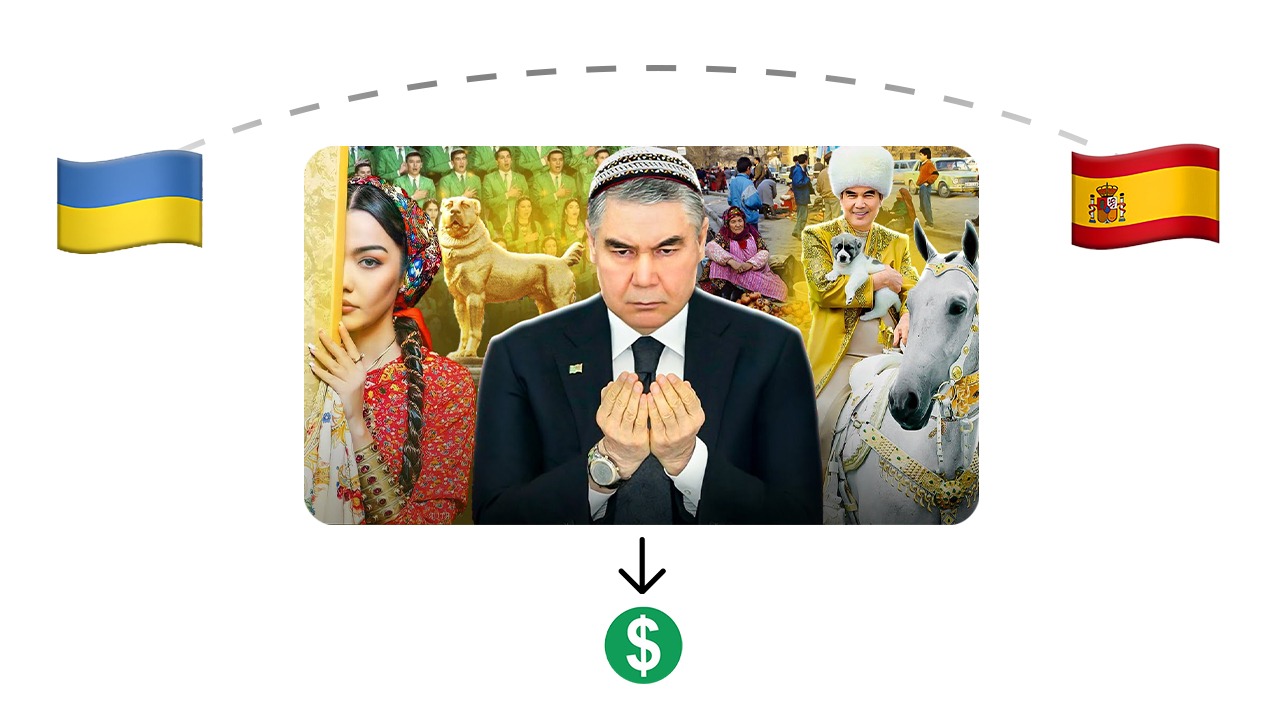
Our partner - the creator behind the channel HOVRAH - works the same way. His video about Turkmenistan pulled in over a million views and 3,500 comments, so he took a closer look at interest in the topic in other markets. Seeing potential among the Spanish-speaking audience, he localized the same video, launched a separate Spanish-language channel, and got monetized right after the first upload.
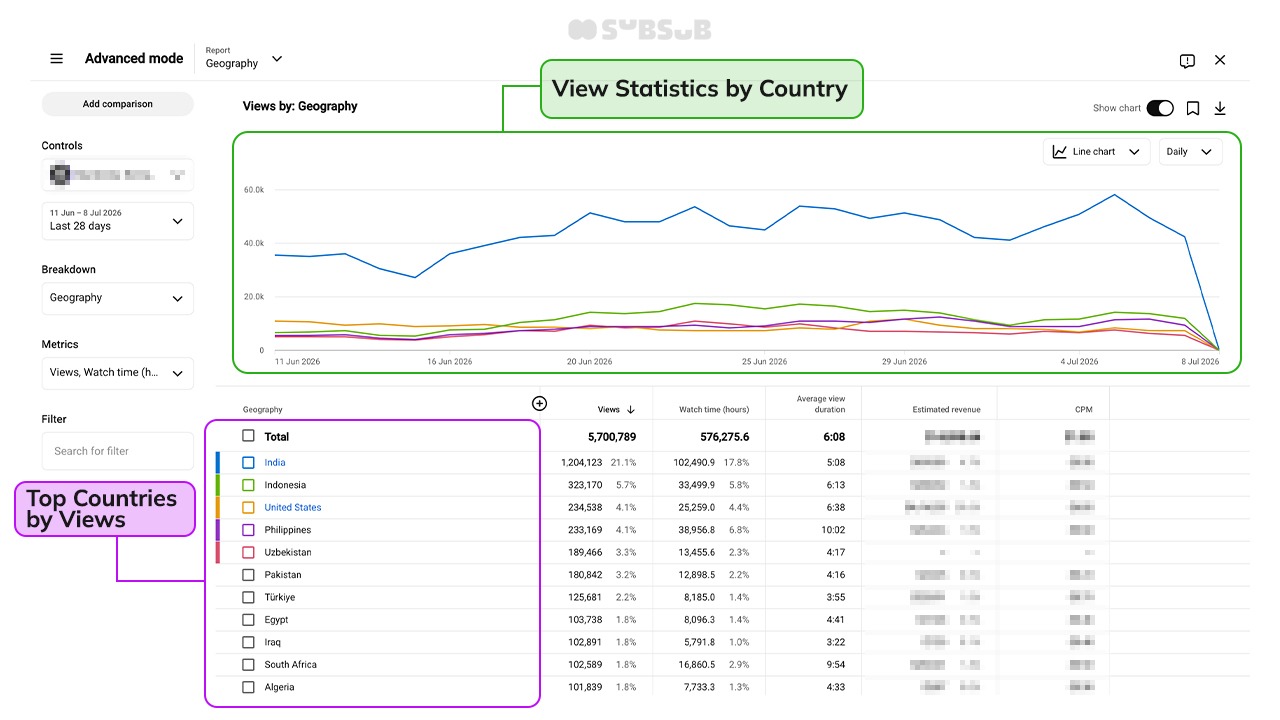
Start with a language where your content already has potential. Your first reference point is YouTube Analytics: the “Geography” tab shows which countries your views come from, even without localization. Then gauge demand for your topic and the competition in that market - and test localization on one or two videos before committing to a whole channel.
Unscripted content is the hardest to localize
The toughest thing to localize is unscripted content - videos with no script: interviews, reactions, streams, vlogs.
In real conversation, people barely speak “to script”: they change their mind mid-sentence, pause, talk over each other, phrase things on the fly. To a human it sounds natural, but for AI, this kind of speech is far harder than ready-made text.
Yet this is exactly where the biggest potential sits. Even if some content is eventually made with generative AI, live emotion and genuine interaction between people will remain the things viewers value in a video.
If you run vlogs, podcasts, interviews, reactions, or streams, keep this in mind: automatic localization is still weaker here than on scripted content. That’s no reason to skip it - just budget more time to review the result before publishing.Localization directly drives YouTube channel growth
Localization helps you get more out of content you’ve already made - but it isn’t the only way to earn a return on your channel’s library.
Another tool gaining traction is loop streams. They let you legally reuse footage you’ve already shot, keep the channel active, and pull in new traffic through horizontal and vertical broadcasts.
One service in this space is SubSub. Want to try the format on your own channel? Email us at creators@subsub.cc.
A health check for your topic
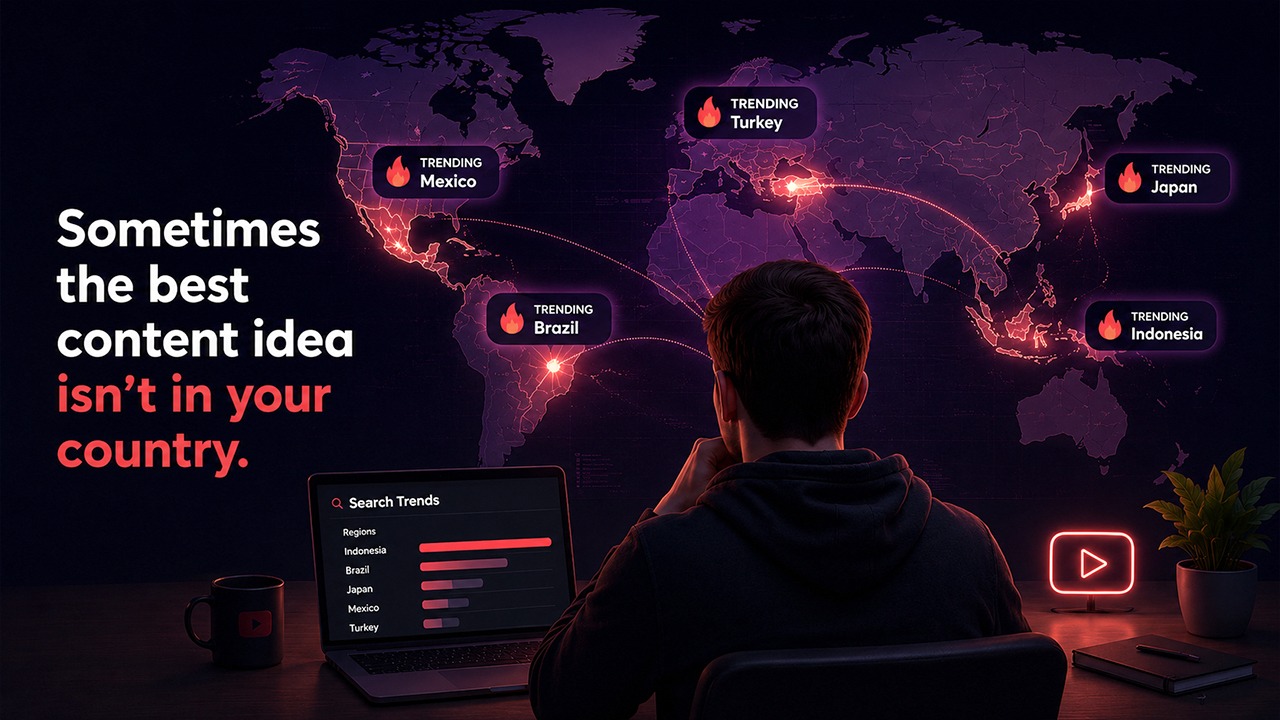
A content plan in Excel is a great habit. But before you start the next video, run a health check on the topic: see whether it has potential beyond your local audience and which markets already show interest in similar content. No idea yet? Start with trends and look at what viewers search for in other countries.
For inspiration: while most creators chase the U.S. market, one of our partners went to Asia and translated part of their content into Bahasa, where RPM reaches $6.
To make finding topics easier, we built an AI-powered trends tool. It analyzes your channel’s niche and matches it against current search queries - so it surfaces ideas at the intersection of your niche and real audience interest. Access is on request: email creators@subsub.cc or message us on Telegram @subsub_admin.
Start small - one video, one new market. That’s often enough to tell whether it’s worth scaling further.