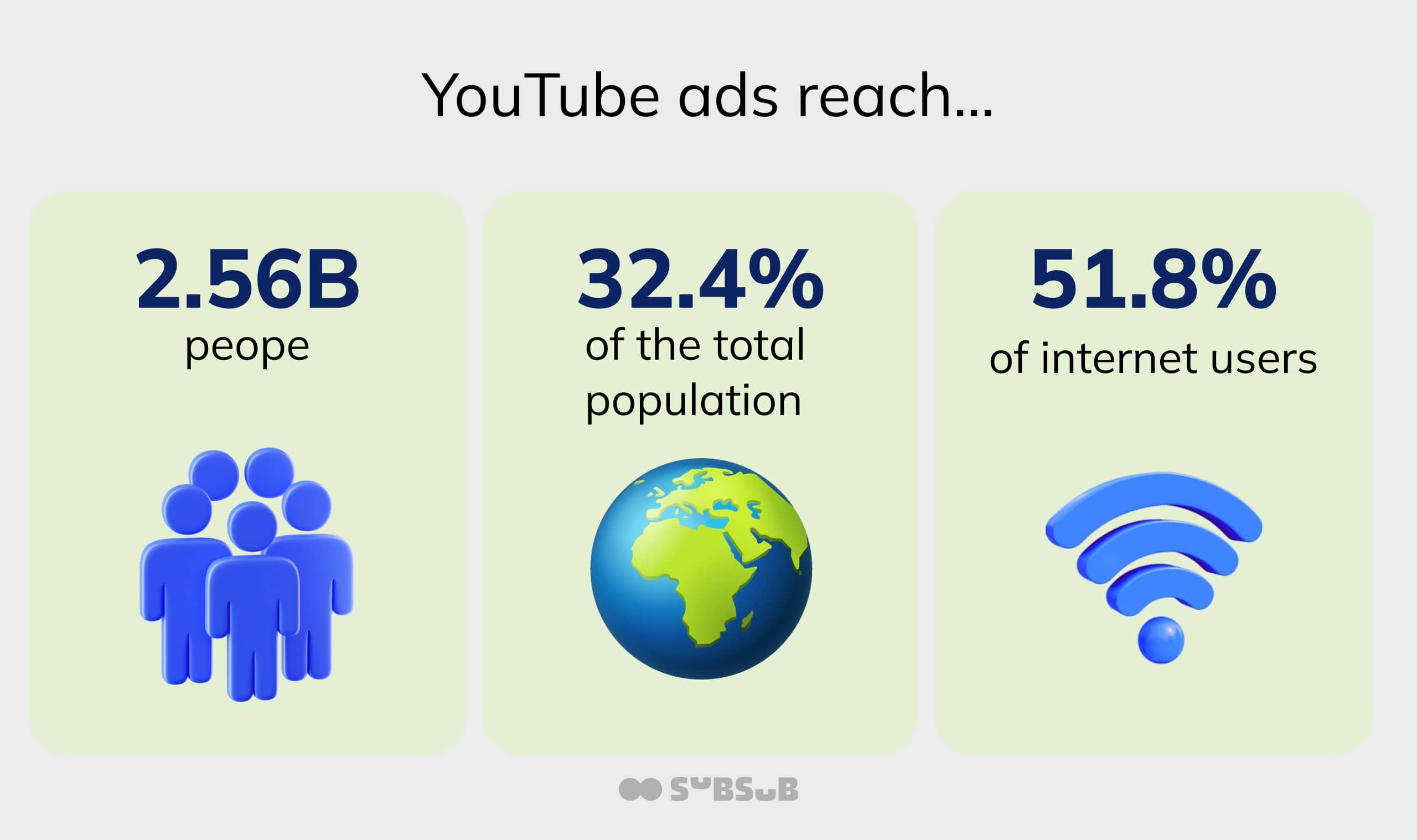
YouTube reaches over 2.5 billion monthly users, making it one of the most powerful advertising platforms available
Six distinct ad formats exist, each suited to different campaign goals and budgets
Costs typically range from $0.10 to $0.30 per view, with daily budgets starting as low as $10
Audience targeting and creative quality matter more than budget size for campaign success
YouTube Shorts ads offer a newer, cost-effective way to reach mobile-first audiences
Understanding YouTube Advertising
Picture this: you're about to watch a recipe video, and a 15-second ad plays first. You actually watch the whole thing because it's genuinely interesting. That's effective youtube advertising in action, and not the annoying interruption you skip immediately, but the ad that earns your attention.
Here's what most guides won't tell you: throwing money at YouTube ads without understanding the platform is like buying a Ferrari when you don't know how to drive stick. You'll burn through your budget fast and wonder why nothing worked. The businesses seeing real returns are spending smarter, rather than more.
What makes effective youtube advertising different from other platforms? Intent. Someone searching "how to fix a leaky faucet" is in problem-solving mode. Someone browsing Instagram is killing time. This distinction matters enormously for advertisers because you can reach people actively seeking solutions your product provides.
Consider what's happened to traditional advertising. TV viewership continues declining, especially among younger demographics. Print is struggling. Radio reaches fewer people each year. Meanwhile, YouTube's audience keeps growing, and viewers are increasingly watching on their TV screens at home.
Three factors make YouTube particularly valuable for advertisers:
Targeting precision: You can reach people based on their search history, viewing habits, demographics, and interests
Measurable results: Unlike billboards or TV spots, you know exactly how many people watched, clicked, and converted
Flexible budgets: Start with $10 per day and scale up as you learn what works
The platform also offers something traditional media can't: the ability to tell longer stories. A 30-second TV spot costs a fortune and limits what you can communicate. On YouTube, you can run longer content for viewers who want to engage deeper with your brand.
Small businesses often assume YouTube advertising is only for companies with massive budgets. That's outdated thinking. The platform's auction system means you compete for your specific audience, not against every advertiser on the platform. A local plumber targeting homeowners in Phoenix isn't competing with Nike's national campaigns.
YouTube Advertising Formats: A Breakdown
Understanding youtube advertising formats is essential before you go spending a single dollar. Each format serves different purposes, and choosing wrong means wasted budget.
Skippable In-Stream Ads play before, during, or after videos. Viewers can skip after 5 seconds. You only pay when someone watches 30 seconds or engages with your ad. This format works well for brand awareness and consideration campaigns.
Non-Skippable In-Stream Ads force viewers to watch your entire message (15-20 seconds maximum). You pay per impression, making these more expensive but guaranteeing your message gets seen. Use these when every second of your creative matters.
Bumper Ads are 6-second non-skippable spots. They're perfect for reinforcing messages from longer campaigns or building frequency with memorable taglines. Think of them as digital billboards. They’re quick, punchy, and impossible to ignore.
Video Discovery Ads appear in YouTube search results and alongside related videos. They look like organic content with a small "Ad" label. Viewers choose to click, meaning you reach people actively interested in content like yours.
Masthead Ads take over YouTube's homepage for 24 hours. These are premium placements with premium prices, and are typically reserved for major product launches or brand campaigns. Most small and mid-sized businesses won't use these.
Shorts Ads appear between YouTube Shorts videos, targeting the platform's TikTok-style vertical content. This newer format offers lower costs and reaches mobile-first audiences.
Here's a quick comparison:
Skippable ads: Best for storytelling, pay only for engagement
Non-skippable ads: Best for guaranteed message delivery
Bumper ads: Best for frequency and reinforcement
Discovery ads: Best for reaching searchers with intent
Shorts ads: Best for reaching younger, mobile audiences
Planning Your YouTube Ad Campaign
The difference between campaigns that flop and campaigns that scale profitably usually comes down to planning. Rushing into production without clear strategy is the most expensive mistake I see businesses make.
Defining Your Target Audience and Goals
"Everyone" is not a target audience. Neither is "people who might buy our product." Effective youtube advertising requires specificity that might feel uncomfortable at first.
Start by answering these questions honestly:
Who is your current best customer? (Not who you wish it was—who actually buys)
What problem does your product solve for them?
Where are they in the buying journey when they need you?
What content do they already watch on YouTube?
YouTube's targeting options are remarkably granular. You can target based on demographics (age, gender, household income, parental status), interests (what topics they care about), intent (what they're actively researching), and remarketing (people who've already interacted with your brand).
Affinity audiences reach people based on their long-term interests and habits. Someone categorized as a "cooking enthusiast" has consistently watched food content over time.
In-market audiences reach people actively researching specific purchases. Someone in the "Autos & Vehicles > Motor Vehicles > SUVs" segment is likely shopping for an SUV right now.
Custom audiences let you define your own targeting based on keywords, URLs, and apps. If your competitors' customers visit specific websites, you can target people who visit those same sites.
Your campaign goal shapes everything else. Brand awareness campaigns optimize for reach and impressions. Consideration campaigns optimize for views and engagement. Conversion campaigns optimize for specific actions like purchases or sign-ups.
Don't try to accomplish everything with one campaign. A single video asking viewers to learn about your brand, consider your product, and buy immediately will fail at all three. Separate your objectives into distinct campaigns with appropriate creative for each stage.
Estimating YouTube Advertising Cost
YouTube advertising cost varies wildly based on your industry, targeting, and competition. Anyone promising specific numbers without knowing your situation is guessing.
That said, here are realistic benchmarks for planning purposes:
Cost per view (CPV): $0.10-$0.30 for most industries
Here's what surprises most advertisers: you often pay less than your maximum bid. YouTube's auction system charges you just enough to beat the next-highest bidder, not your full bid amount.
Start with a low test budget spread across 2-3 weeks. This gives you enough data to identify what's working without risking significant money on unproven creative. Scale what performs and cut what doesn't.
One costly mistake: setting budgets too low. A $10 daily budget split across multiple ad groups means each variation gets almost no data. You'll wait weeks for meaningful insights. Better to focus the budget on fewer variables and learn faster.
Optimizing Your YouTube Ads for Success
Planning matters, but execution determines results. The best strategy in the world fails with mediocre creative or poor optimization.
Best Practices for Creating Engaging Ads
Your ad's first 5 seconds determine everything. That's when viewers decide to skip or keep watching. Don't save the good stuff for later — front-load your hook.
Best practices for youtube ads that actually drive results:
Start with action or intrigue: Movement, questions, or unexpected visuals grab attention
Show your product in use: Don't just talk about benefits—demonstrate them
Include clear calls-to-action: Tell viewers exactly what to do next
Design for sound-off viewing: Many viewers watch muted, so include captions
Match creative to placement: Vertical video for Shorts, horizontal for in-stream
Analyze your niche: Use analytical tools such as SubSub Analytics to get a deeper understanding of the current content climate in your niche.
The "ABCD" framework from Google provides useful guidance:
Attract: Hook viewers immediately with bold visuals or compelling questions
Brand: Introduce your brand early and reinforce throughout
Connect: Build emotional resonance through storytelling or relatable scenarios
Direct: End with a clear, specific call-to-action
Testing multiple creative variations is non-negotiable for effective youtube advertising. What you think will work often doesn't. What seems too simple often outperforms. Let data guide decisions, not assumptions.
A few creative tips that consistently perform:
Human faces increase engagement (we're wired to pay attention to them)
Specific numbers outperform vague claims ("47% faster" beats "much faster")
Questions in the first 5 seconds boost completion rates
Showing the product solving a real problem beats lifestyle imagery
Don't obsess over production quality. A well-scripted iPhone video often outperforms a poorly-conceived professional production. Message clarity matters more than polish.
YouTube Shorts Advertising Tips
YouTube shorts advertising tips deserve special attention because this format is still relatively new and underpriced compared to traditional placements.
Shorts ads appear between organic Shorts content in the form of vertical, mobile-first videos under 60 seconds. The audience skews younger and more engaged with quick-hit content.
Key differences from traditional YouTube ads:
Vertical format (9:16 aspect ratio) is mandatory
Shorter attention spans require faster hooks
Sound-on viewing is more common than regular YouTube
Swipe-to-skip behavior differs from click-to-skip
Creating effective Shorts ads requires rethinking your approach:
Capture attention in 1-2 seconds: You have even less time than regular ads
Use trending audio and formats: Familiarity increases engagement
Keep text minimal and large: Small screens mean small text goes unread
Embrace authenticity: Overly polished content feels out of place
The cost advantage is significant right now. Shorts ad inventory is growing faster than advertiser demand, creating favorable auction dynamics. Early adopters are seeing CPMs 30-50% lower than traditional placements.
One warning: Shorts audiences may convert differently than traditional YouTube viewers. Test carefully before shifting significant budget. The cheaper impressions mean nothing if they don't drive business results.
FAQ
How much should I budget for my first YouTube ad campaign?
Start with $500-$1,000 over 2-3 weeks for meaningful data. This allows testing multiple ad variations while gathering enough views to identify patterns. Smaller budgets stretch too thin across variables, delaying insights and decisions.
What's the ideal length for a YouTube ad?
For skippable ads, 15-30 seconds works best for most objectives. Bumper ads must be 6 seconds. Non-skippable ads max out at 15-20 seconds. Longer ads (60+ seconds) can work for complex products but require exceptional storytelling to maintain attention.
How do I know if my YouTube ads are working?
Track view rate (percentage of impressions that become views), click-through rate, and cost per conversion. Compare these against your goals—brand awareness campaigns prioritize reach, while conversion campaigns prioritize cost per acquisition. YouTube Analytics provides detailed breakdowns.
Can small businesses compete with larger advertisers on YouTube?
Absolutely. YouTube's auction system means you compete for your specific audience, not against all advertisers. A local business targeting their geographic area faces different competition than national brands. Precise targeting and compelling creative matter more than budget size.
Conclusion
To wrap up, effective youtube advertising combines strategic planning with creative excellence and continuous optimization. The platform offers unmatched reach, precise targeting, and measurable results—but only for advertisers willing to learn its nuances.
The businesses winning on YouTube share common traits: they understand their audience deeply, test creative relentlessly, and make data-driven decisions. They don't treat YouTube ads as set-and-forget—they treat them as ongoing experiments that improve over time.
Start small, learn fast, and scale what works. Your first campaign probably won't be your best, and that's fine. Each test teaches you something about your audience and what resonates with them. The advertisers seeing the best returns today made plenty of mistakes getting there.
Your next step? Define your target audience with uncomfortable specificity, create 2-3 creative variations, and launch a test campaign this week.





.jpg)